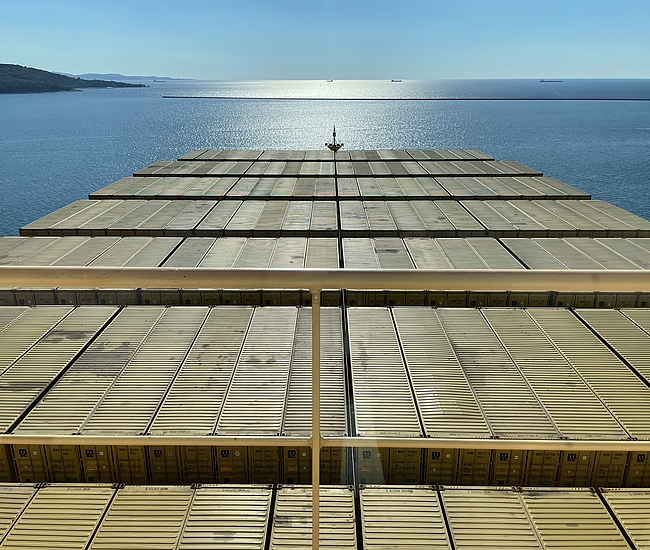
Rising Risk in the Red Sea?
Geopolitical tensions and attacks in the Red Sea have increased since the start of the Israel-Hamas conflict. In the wake of this conflict, merchant shipping was affected by missile…
mehr lesen
Read our Seafreight Insights to find out about the latest developments in the global sea cargo industry. Get an update on trade and rate developments as well as flexible solutions offered by cargo-partner to deal with the current challenges.
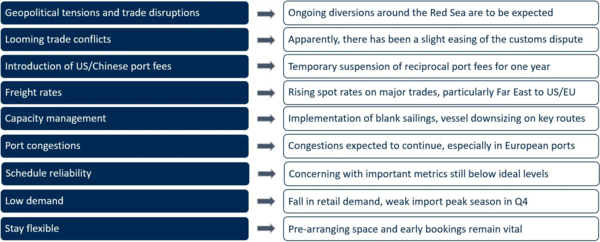
The seafreight market in 2025 was characterized by high volatility and geopolitical instability, driven in particular by the Red Sea crisis and US trade tariffs. These factors caused major disruptions in terms of trade patterns and freight rates. With political tensions expected to persist, the market is likely to remain challenging.
Key market dynamics and trends include:
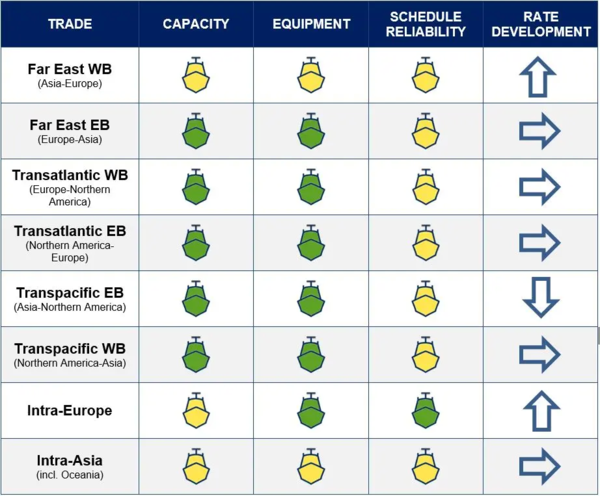
Legend: traffic lights showing current status, arrow indicates possible development of transport rates.
Geopolitical tensions and attacks in the Red Sea have increased since the start of the Israel-Hamas conflict. In the wake of this conflict, merchant shipping was affected by missile…
mehr lesen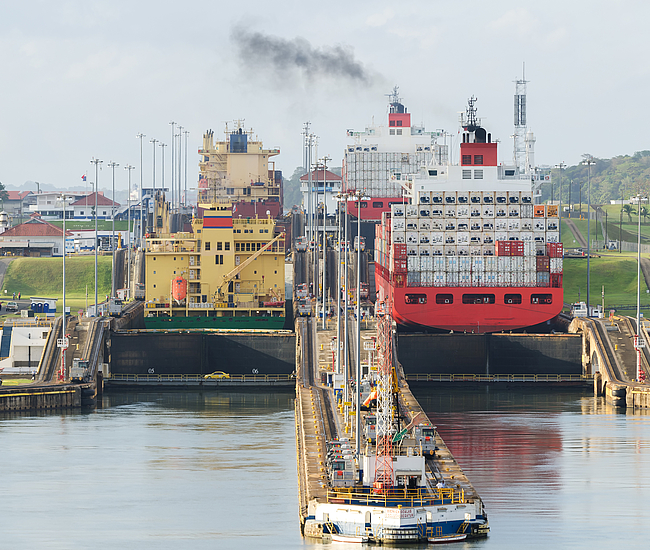
The Panama Canal, which connects two oceans, simply does not have enough water. Delve deeper into maritime traffic jams and how the Suez Canal temporary substituted the Panama Canal.
mehr lesen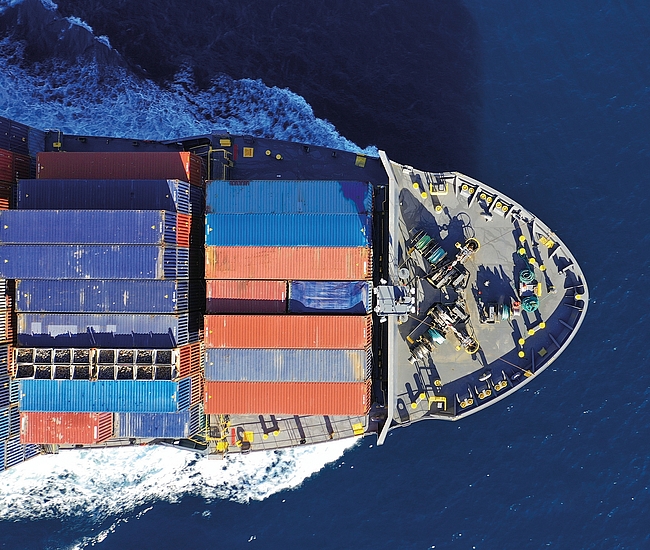
The EU has adopted a legislative action plan to achieve carbon neutrality by 2050. This plan includes reducing greenhouse gas emissions by 55% by 2030 and also impacts the shipping industry.
mehr lesen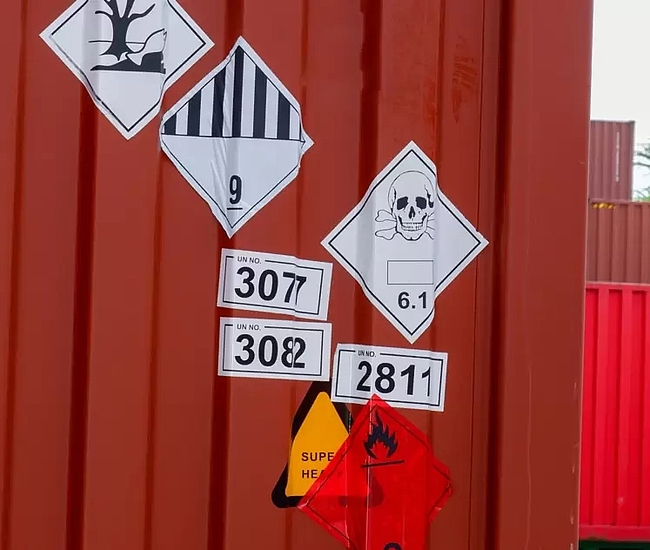
Are you looking for the most cost-effective and reliable way to ship dangerous goods such as batteries for electric vehicles, e-bicycles, power tools and medical devices?
mehr lesen
We had the opportunity to talk to CEO of the fifth largest container carrier worldwide about the recent developments in seafreight and acquisition plans.
mehr lesen